Thứ Ba, 30 tháng 3, 2010

ST Engineering's US Shipyard wins US$165m Contract to Build 4th Fast Missile Craft

31 Maret 2010

Ambassador Mark III - fast missile craft (photo : USMilnet)

Singapore - ST Engineering today (29/03) announced that its US shipyard VT Halter Marine Inc (VT Halter Marine), has secured an undefinitised contract in excess of US$165m (about S$232.5m) with the US Navy for a fourth Fast Missile Craft (FMC) for the Egyptian Navy. This most recent contract brings the total value for the FMC project to approximately US$807m (about S$1.1b). Work on this fourth FMC will commence by mid 2011 and delivery is expected by end of 2013. VT Halter Marine has begun construction on the first FMC which it expects to deliver by mid 2012.

This contract is not expected to have any material impact on the consolidated net tangible assets per share and earnings per share of ST Engineering for the current financial year.

ST Engineering announced on 1 December 2005 that it had secured the initial Phase I functional design contract for approximately US$29m. Two subsequent contract modifications were awarded in November 2006 and June 2007 respectively for procuring the FMC project's long lead items which added US$206.5m to the contract. Subsequent changes in the scope of work further increased the Phase I contract value to US$249.2m. With the award of Phase II of the FMC project in September 2008, the total contract value awarded to ST Engineering for the first three FMCs amounted to US$642m. This latest US$165m contract reflects non-recurring cost reductions from the first three vessels contracted earlier and government furnished equipment which was previously provided by VT Halter Marine.

The FMC is designed to perform coastal patrol, surveillance, interdiction, surface strike and naval battle group support for the 21st century. The vessels will allow the Republic of Egypt to maintain the security of its coastal regions for both itself and friendly countries, while denying access to the areas by any potential adversaries. Each vessel will be approximately 62m in length and will incorporate ship signature control technology. High speed and maneuverability are two of the ship's primary assets to fulfill these roles. The vessels will also incorporate numerous combat system assets and electronic sensors, equipping the vessels with capabilities in anti-aircraft, anti-surface and electronic warfare.

(ST Engineering)

Global Hawk is Offered to Australia, Singapore, and Japan

30 Maret 2010


RQ-4 Global Hawk (photo : Air Attack)

Northrop puts Global Hawk on show in Japan

Northrop Grumman has been making a major push in Japan for its RQ-4 Global Hawk in an effort to have procurement of such unmanned air vehicles included in the country's next five-year plan.

Japanese military and defence officials were able to see a full-scale model of the Global Hawk on display in Tokyo on 24-25 March. Japan was the last stop in an Asia-Pacific tour that also saw the Global Hawk model displayed in Australia, Hawaii, Guam and Singapore.

Japan's defence establishment has been studying the Global Hawk for several years and Northrop's latest marketing push comes as it works to formulate its five-year fiscal plan for 2011-15.

If Japan orders the Global Hawk it would need to get US government export approval.

"Capable of flying well above all civil air traffic at altitudes of up to 60,000ft [18,300m] for the more than 32h at a time, Global Hawk is a suitable intelligence, surveillance and reconnaissance asset for Japan," says Curt Orchard, Northrop Grumman international vice-president for Japan.

Japan has a need for greater intelligence, surveillance and reconnaissance capability because it has three potentially hostile neighbours: China, North Korea and Russia.

Tokyo and Beijing have territorial disputes over outlying islands and sea borders, while Pyongyang continues to test missiles - some of which have flown over Japan - and Moscow occupies the Kuril islands, some of which it annexed from Japan in the last days of the Second World War.

Northrop says the Global Hawk "is the only unmanned air system to receive both US Air Force and US Federal Aviation Administration certificate of authority allowing routine operation in civil air space."

The Global Hawk's range of 16,100km (10,000nm) means a single mission can span north-east and South-East Asia, it says.

(Flight International)

Thứ Hai, 29 tháng 3, 2010

Rebut Bisnis Perawatan Pesawat dari Singapura

30 Maret 2010

Dengan tumbuh pesatnya armada maskapai lokal maka perawatan pesawat akan menjadi bisnis yang sangat menjanjikan (photo : Kompas)

SALAH satu bisnis yang dibidik PT Dirgantara Indonesia (DI) saat ini adalah maintenance pesawat terbang. Pasar perawatan pesawat terbang di Indonesia kini didominasi Singapura. Karena itu, PT DI berharap agar maskapai yang banyak beroperasi di Indonesia mengalihkan perawatan burung besinya ke PT DI.

"Singapura memang lebih besar dan kuat. Kalau soal kualitas dan fasilitas, tidak banyak perbedaannya," kata Direktur Integrasi Pesawat PT DI Budiwuraskito. Budi -sapaan Budiwuraskito- mengatakan bahwa potensi perawatan itu sangat besar. Sebab, maskapai yang beroperasi di Indonesia sangat banyak. Tiap tahun jumlah pesawat yang harus dirawat terus bertambah. ''Ini peluang strategis,'' ujarnya.

PT DI, menurut Budi, sudah memiliki sejumlah jasa layanan maintenance pesawat untuk perawatan bodi pesawat dan aircraft service di bawah PT Nusantara Turbin Propulsi (NTP). Namun, kondisi itu tidak sejalan dengan maskapai penerbangan milik Indonesia sendiri, yakni Garuda Indonesia. Maskapai pelat merah tersebut mempunyai pusat perawatan pesawat sendiri yang juga dikomersilkan bernama Garuda Maintenance Facilities (GMF).

Saat ini, ucap Budi, ada keinginan dari Kementerian BUMN untuk menggabung semua pusat perawatan pesawat dan helikopter milik negara di satu atap. Tidak hanya pesawat komersial, tapi juga militer. Alasannya, itu bisa menghemat ongkos sekaligus membesarkan bisnis perawatan pesawat. Peluang untuk menggusur dominasi Singapura pun terbuka lebar.

Budi mengatakan, kalau itu bisa terwujud, perawatan pesawat di tanah air bisa diintegrasikan dalam satu atap. Mulai struktur pesawat, avionic system (sistem atau software pesawat), hingga mesin.

Namun, kata Budi, proses merger tersebut tak bakal bisa singkat. Sebab, yang disatukan tidak hanya tempat. Tapi juga sumber daya manusia (SDM). Kalau sekadar menggabung, struktur dan tenaga kerjanya bisa sangat gemuk dan malah tidak efektif. "Mungkin masih perlu dua tahun lebih untuk mewujudkannya," jelas dia. (aga/c10/iro)

(Jawa Pos)

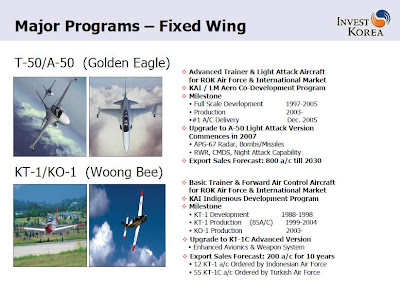
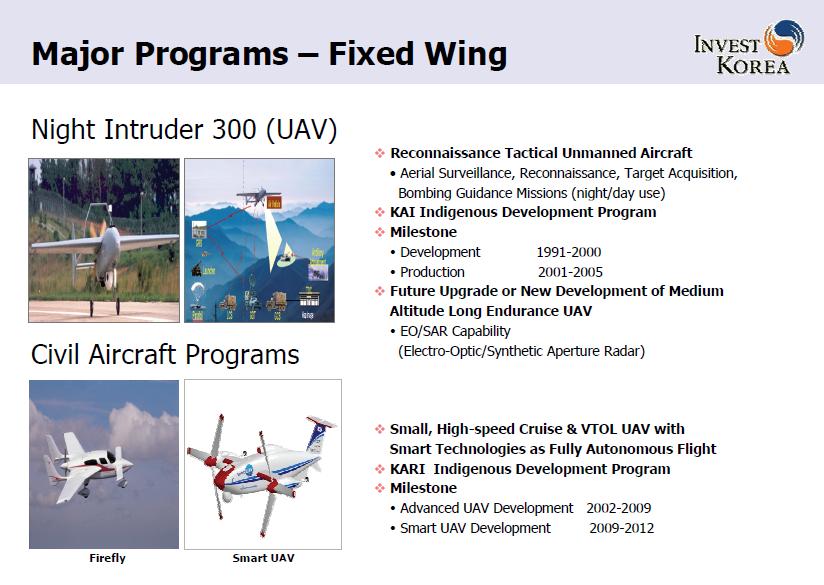
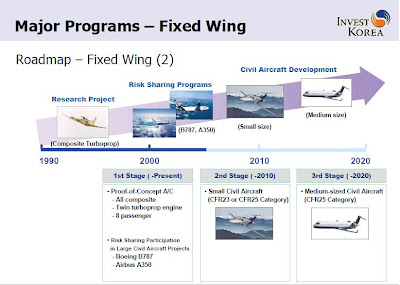
Road Map Industri Dirgantara Korea

30 Maret 2010

Industri pertahanan Indonesia banyak diwarnai oleh pengaruh Korea Selatan, dimulai dengan pembuatan LPD, panser kanon, dan rencana pembuatan pesawat tempur bersama.

Berikut ini adalah gambaran mengenai roadmap industri pertahanan Korea dalam pengembangan kedirgantaraan.

Sangat jelas kemauan Korea untuk mandiri dimulai dari penetapan visi, disusul pentahapan teknologi yang mereka harus kuasai dan bermuara pada jenis-jenis produk yang akan dibuat di dalam negeri, dimulai dari pesawat bersayap tetap, helikopter, UAV dan teknologi ruang angkasa.


Caesar And The Archers

29 Maret 2010
Archer - truck mounted howitzer (photo : Defense Industry Daily)

Sweden and Norway are each buying 24 Archer truck mounted artillery systems. Both nations had funded a $150 million, 14 year, development effort to create Archer. BAE will manufacture the systems. Archer is an FH77 155mm/L52 howitzer mounted on a modified Volvo 6x6 dump truck. The vehicle, with the howitzer on board, weighs 30 tons. L52 means the barrel is 52 times the caliber (8 meters/25 feet). When the vehicle halts, the four man crew can extend the metal braces in the rear, raise the barrel, and being firing within minutes. After firing, the vehicle can be moving in less than a minute. Archer uses the Excalibur GPS guided round, which means Archer and an ammo vehicle can supply lots of effective firepower without the need for constant resupply. Each Archer vehicle costs about $4.2 million.
Caesar - truck mounted howitzer (photo : MSPO)

Archer is not the first weapon of this type, but is a heavier and more modern one. About the time development began on Archer (1995) a French firm was developing a similar system (Caesar). Last year, France sent eight of its Caesar, truck mounted, 155mm howitzers to Afghanistan. The roads in Afghanistan are pretty bad, and wheeled combat vehicles have a hard time of it. But Caesar was built to handle cross country operations. Afghanistan was the first time Caesar has served in combat.

A decade ago, the French Army agreed to buy a single battery of the novel new Caesar vehicles. Developed by GIAT as a private venture, it was a 155mm howitzer mounted on the back of a heavy truck. Before being fired, the gun was backed off the rear of the truck, onto the ground. This took less than a minute. It was a marvelous system, but Caesar was having a difficult time attracting export customers. It was believed that having even one battery in service with the French Army would help attract export sales. Once they go to use it, the French army liked Caesar so much that they eventually bought 72 of them. And there were export sales as well.

Caesar uses a 52 caliber 155mm howitzer mounted on the back of a 6x6 ten ton truck. While it is self-propelled, it only has light armor in the driver/crew cab up front. Caesar only weighs 18 tons and will fit into a C-130 transport, something that traditional tracked self-propelled artillery cannot do. Caesar's long barrel enables it to fire shells up to 42 kilometers. With on-board GPS, it can be ready to fire in minutes. The truck carries the crew of six in an air-conditioned compartment.

Chủ Nhật, 28 tháng 3, 2010

PT DI Akan Membuat 50 Pesawat Tempur untuk TNI-AU

29 Maret 2010

F/A-50-pesawat tempur rancangan Korsel (hasil pengembangan dari T-50 Golden Eagle bersama Lockheed Martin) yang membutuhkan mitra pengembangan dari negara lain (photo : KDN)
Upaya PT Dirgantara Indonesia Bertahan di Industri Pesawat Terbang

Bangkit Lewat Ketiak Sayap Airbus

Dalam beberapa kesempatan, Prof Dr Ing Bacharuddin Jusuf Habibie mengaku sangat kecewa melihat nasib PT Dirgantara Indonesia. Sebab, industri pesawat terbang yang dirintisnya itu kini jalan di tempat. Bagaimana kondisinya sekarang?
---
" KITA pernah mengembangkan sendiri pesawat terbang CN-235 dan N-250 untuk membuktikan bahwa SDM Indonesia mampu menguasai dan mengembangkan teknologi secanggih apa pun. Di mana itu semua sekarang?" tegas B.J. Habibie, mantan presiden RI, di depan peserta kuliah umum bertema Filsafat dan Teknologi untuk Pembangunan di Balai Sidang Universitas Indonesia (UI), Depok, Jumat lalu (12/3).

Ya, PT Dirgantara Indonesia (PT DI) memang tidak bisa dibandingkan dengan ketika perusahaan itu masih bernama Industri Pesawat Terbang Nurtanio (IPTN) dan Habibie masih menjabat presiden direktur. Saat itu IPTN memiliki 16 ribu karyawan. Kompleks gedung IPTN di kawasan Jalan Pajajaran, Bandung, berdiri megah, menempati lahan seluas 83 hektare.

Yang paling laris adalah pesawat CN-235. Pesawat berkapasitas 35 sampai 40 orang itu paling banyak diorder dari dalam negeri maupun luar negeri. Selain itu, ada pesawat C-212 (kapasitas 19-24 orang). Produk chopper alias helikopter juga tak mau kalah. Ada NBO-105, NAS-332 Super Puma, NBell-412, dan sebagainya. Semua produk burung besi tersebut begitu membanggakan bangsa saat itu.

Namun, persoalan muncul saat krisis ekonomi menggebuk Indonesia pada 1998. Ketika itu, PT DI yang bernama Industri Pesawat Terbang Nusantara (IPTN) mendapat order membuat pesawat N-250 dari luar negeri. Pesawat terbang ini berkapasitas 50 hingga 64 orang. Sebuah kapasitas ideal untuk penerbangan komersial domestik. Umumnya pesawat domestik di tanah air saat ini menggunakan pesawat dari kelas yang tak jauh berbeda dari N-250.

PT DI menerima pesanan 120 pesawat. Ongkos proyek yang disepakati USD 1,2 milliar. PT DI langsung tancap gas. Ribuan karyawan direkrut. Mesin-mesin pembuat komponen didatangkan. ''Kami berupaya keras menyelesaikan proyek itu sesuai target,'' tutur Direktur Integrasi Pesawat PT DI Budiwuraskito saat ditemui Jawa Pos di Bandung pekan lalu.

Namun, PT DI harus menelan pil pahit. Pemulihan krisis ekonomi bersama International Monetary Fund alias IMF mengharuskan Indonesia menerima sejumlah kesepakatan. Salah satunya, Indonesia tak boleh lagi berdagang pesawat. ''Itu benar-benar memukul kami,'' kata Budiwuraskito, pria Semarang ini.

Padahal, kata Budi, PT DI telanjur merekrut banyak karyawan. Sejumlah teknologi dan peralatan sudah didatangkan. Semua siap produksi. Pesawat contoh bahkan sudah jadi, sudah bisa terbang, dan siap dijual. Tinggal menunggu proses sertifikasi penerbangan. ''Nggak tahu, mungkin ada negara yang takut tersaingi kalau Indonesia bikin pesawat,'' ujarnya mengingat sejarah kelam PT DI itu.

Bayangan menerima duit gede USD 1,2 milliar menguap. Malah, PT DI harus memikirkan cara menghidupi karyawan yang telanjur direkrut. Proyek memang batal, tapi orang-orang yang hidup dari PT DI juga tetap harus dikasih makan. ''Akhirnya, mau tidak mau, kami mem-PHK karyawan secara baik-baik,'' katanya.

Pada 2003, PT DI memutus kerja sembilan ribu lebih karyawan. Jumlah itu terus bertambah. Dari 16 ribu pekerja, PT DI hanya menyisakan tiga ribu pekerja. Baik di bagian produksi maupun manajemen. Kondisi itu semakin membuat PT DI terpuruk. Apalagi, tak ada lagi order pesawat yang datang. Roda perusahaan pun tak berjalan.

Namun, PT DI berupaya mempertahankan diri. Semua pasar yang bisa menghasilkan duit disasar. Mulai pembuatan komponen pesawat hingga industri rumah tangga seperti pembuatan sendok, garpu, dan sejenisnya. Salah satunya membuat alat pencetak panci.
''Pabrik-pabrik pembuat panci itu kan perlu alat pencetak. Biasanya mereka impor dari luar negeri. Mengapa harus impor kalau bisa kita bikinin. Dan, itu lumayan untuk membuat roda perusahaan berjalan,'' kata Budi. Tapi, urusan panci itu tak banyak membantu. Pada 2007, BUMN yang didirikan pada 26 April 1976 itu dinyatakan pailit alias bangkrut.
***
PT DI tak lantas almarhum. Pemerintah masih punya keinginan mengembangkannya meski modal yang diberikan tak terlalu deras. Dan, kendati sudah dinyatakan pailit, masih ada rekanan dari mancanegara yang percaya akan kualitas produk PT DI.

Salah satunya British Aerospace (BAE). PT DI mendapat order sebagai subkontrak sayap pesawat Airbus A380 dari pabrik burung besi asal Inggris itu. Juga ada order dari dua negara Timur Tengah enam pesawat jenis N-2130. Apalagi, Indonesia sudah menceraikan IMF. Artinya, PT DI sudah leluasa berdagang pesawat.

Budi menuturkan, order enam pesawat itulah yang bisa dibilang ''menyelamatkan'' PT DI saat itu. Laba dari pesanan itu digunakan sebagai modal pengembangan. Selain itu, PT DI semakin fokus menggarap pasar komponen dan bagian-bagian pesawat dengan menjadi subkontrak atau offset program. Antara lain bagian inboard outer fixed leading edge (IOFLE) dan drive rib alias ''ketiak'' sayap milik Airbus A380.

Airbus A380 adalah pesawat bikinan Airbus SAS (Prancis) yang sudah kondang di jagat dirgantara. Pesawat ini biasanya digunakan untuk penerbangan internasional lintas benua dengan muatan 500 hingga 800 penumpang. ''Kita mencoba meraih untung dengan menjadi subkontrak dari pemain besar,'' kata Budi.

Kondisi PT DI terus membaik. Dalam waktu dekat mereka akan memproduksi pesawat tempur dengan dana urunan bersama pemerintah Korea Selatan (Korsel) sebesar USD 8 milliar. Indonesia menyumbang USD 2 milliar, sedangkan pemerintah Korsel USD 6 milliar. ''Tapi, untuk Indonesia itu akan kita konversikan dalam bentuk tenaga, teknologi, dan pengembangan pesawat tersebut,'' katanya.

Kemampuannya tak jauh berbeda dengan F-16 Fightning Falcon, pesawat tempur kondang buatan Amerika Serikat yang digunakan 24 negara di dunia. Rinciannya, 200 unit untuk Korsel dan 50 untuk Indonesia. ''Proyek ini memakan waktu sampai tujuh tahun,'' kata Budi.

Selain itu, order dari Timur Tengah terus berdatangan. Sejumlah negara memesan CN-235 untuk pesawat pengawas pantai, pengangkut personel militer, dan pemantau perbatasan. Dari dalam negeri, Kementerian Pertahanan (Kemhan) juga memesan enam unit helikopter dan Badan SAR Nasional (Basarnas) empat unit.

Budi mengakui, tren industri dirgantara di Indonesia terus naik kendati perlahan. Paling tidak, tujuh tahun ke depan, PT DI bisa meraup laba yang lumayan dari membuat pesawat. Sebenarnya, kata Budi, keuntungan itu bisa didongkrak bila ada keberanian mencari pinjaman. Tapi, itu bakal sulit. ''Tidak banyak bank yang mau. Sebab, risikonya terlalu tinggi. Padahal, semakin tinggi risiko, janji revenue juga besar,'' kata Budi yang lulusan Teknik Penerbangan, Institut Teknologi Bandung (ITB), dan menyelesaikan gelar MBA di Belanda itu.

Strategi pengembangan PT DI saat ini, kata Budi, tak bisa terlalu ekspansif. PT DI memilih berjalan perlahan dengan memanfaatkan margin keuntungan sebagai modal pengembangan. ''Begini saja, lebih aman,'' kata Budi lantas tersenyum. (aga/c2/iro)

(JawaPos)

Gen Anupong Scraps Airship Purchase Plan

29 Maret 2010
Thai's airship (photo : The Nation)

Army chief Anupong Paojinda has decided to scrap the controversial 350-million-baht airship purchase project, an army source says.

Gen Anupong's decision came after Virginia-based Aria International, the airship supplier, repeatedly failed to fulfil its contract, and delayed delivery by six months, said the source.
The decision has yet to be officially announced.

In several tests, the airship proved unable to fly at 10,000 feet (3,048m) above the ground as stated in the contract. It went as high as only 3,150 feet (960m), a height considered unsafe for a surveillance operation in the deep south, the source said.

The committee set up to examine the airship and recommend to the army whether or not to acknowledge delivery had also refused to approve the delivery due to the aircraft's substandard specifications, the source said.

After being told about the committee's decision, Gen Anupong tried to convince Wut Wimuktalop, chief of the Department of Army Transportation, to sign to acknowledge delivery of the airship, according to the source.

However, Maj Gen Wut refused to do so, which forced the army chief to reconsider his position.

The Budget Bureau, which had inquired about the airship purchase budget, had also asked the army for an explanation of how the budget would be disbursed by the end of this month.

These factors had led to Gen Anupong's decision to scrap the airship project by refusing to accept delivery.

The army would also sue the US supplier for breaching the contract, and demand the company return the 70% purchase payment made by the army to the company, the source said.